The Rise of Ransomware in July 2026: What Companies Need to Know
Ransomware did not slow down in July 2026. If anything, the threat landscape became more fragmented, more targeted, and harder to predict.
ThreatMon’s latest ransomware research identified activity linked to six distinct ransomware groups, affecting organizations across multiple countries and industries. The incidents examined in the research show that ransomware is no longer simply about encrypting files. Data theft, extortion, operational disruption, and reputational damage are increasingly part of the same attack.
The findings are explored in detail in theThreatMon Ransomware 2026 Report: July, including victim analysis, threat actor activity, sector distribution, and notable incidents observed throughout the month.
Ransomware Is No Longer a Single-Pattern Threat
There was a time when ransomware attacks followed a relatively recognizable sequence: attackers gained access, encrypted systems, demanded payment, and threatened victims with downtime.
That model has changed.
Today, ransomware operations increasingly combine encryption with data exfiltration, public or private extortion, credential theft, and pressure tactics designed around the victim’s business operations.
This makesransomware prevention much broader than stopping malicious encryption. Organizations also need visibility into exposed assets, compromised credentials, threat actor activity, and potential data leaks before an incident develops into a full-scale breach.
July’s activity demonstrates exactly why.
Six Groups, Different Methods, the Same Objective
One of the clearest signals from July is the diversity of the ransomware ecosystem.
Six ransomware groups were identified in ThreatMon’s analysis, including Qilin, Deadlock, Gunra, ExfilSquad, Global Secret Group, and Unsafe.
Some are established operations with extensive victim histories. Others appeared much more recently and demonstrated how quickly new ransomware actors can become operational.
Qilin remains one of the most significant names in the current landscape. The group is associated with double-extortion operations in which attackers steal data before encrypting systems, giving them another way to pressure organizations even when backups are available.
Deadlock represents a different concern: speed. Emerging groups no longer necessarily need years to build infrastructure, recruit affiliates, and establish a recognizable brand. The ransomware-as-a-service ecosystem has lowered many of those barriers.
For defenders, this means relying only on lists of well-known ransomware groups is increasingly risky. Continuous threat actor monitoring matters because the actors targeting an organization today may not have been prominent a few months ago.
The Impact Extends Across Industries
July’s incidents were not concentrated in a single vertical.
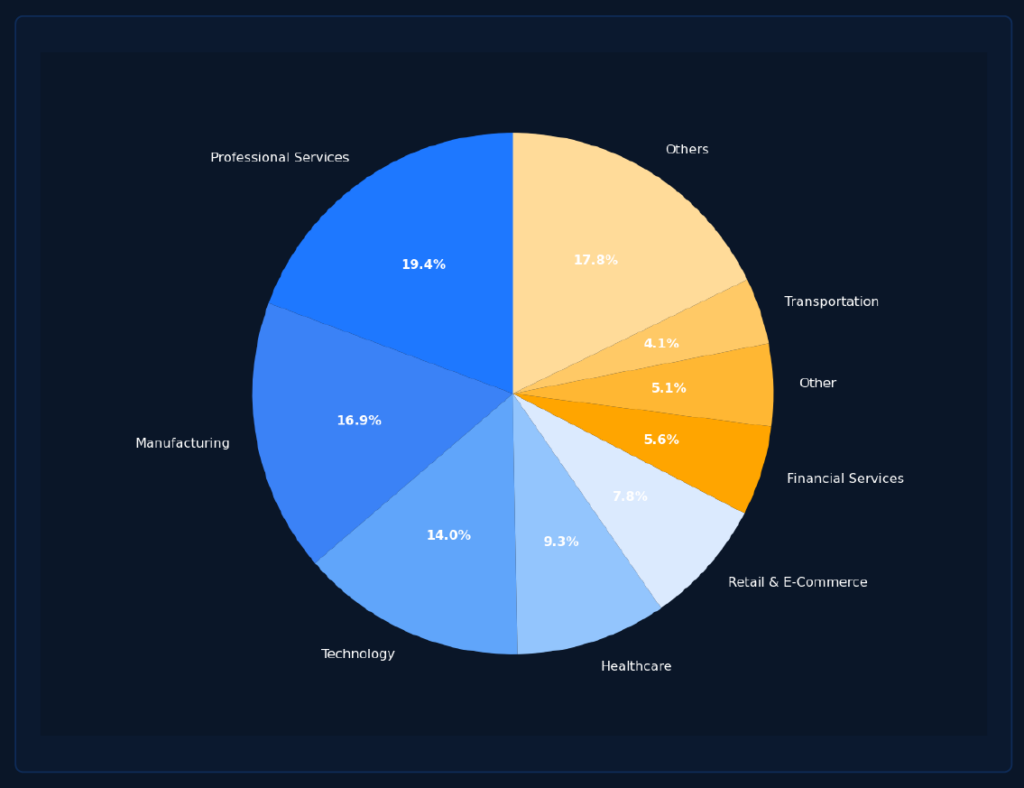
Technology, government and defense, manufacturing, healthcare, financial services, retail and e-commerce, hospitality, and agriculture were all represented in the broader attack landscape.
That diversity matters.
Manufacturing environments can face costly production downtime. Healthcare organizations operate systems where availability can directly affect critical services. Financial institutions hold highly sensitive financial and customer information. Technology companies may provide attackers with access to intellectual property, credentials, infrastructure, or downstream customers.
The motivation varies, but the logic behind the targeting remains consistent: attackers look for organizations where stolen data or interrupted operations create enough pressure to make extortion effective.
Data Theft Is Becoming as Important as Encryption
One of the most important changes in modern ransomware is that restoring encrypted systems no longer ends the incident.
Attackers increasingly steal information before encryption begins.
That creates two simultaneous problems: an availability incident and a data exposure incident.
Even when an organization successfully restores its systems from backups, stolen customer information, employee records, credentials, financial documents, or intellectual property may still be used for additional extortion or appear across underground channels.
This is where Dark Web Intelligence becomes particularly important. Monitoring underground sources, leak sites, credential markets, and threat actor activity can provide organizations with earlier visibility into information that has escaped their environment.
The objective is no longer simply to ask, “Can we recover our systems?”
Organizations also need to ask, “What information has already left them?”
What July’s Incidents Tell Us
Several incidents examined in ThreatMon’s July research illustrate how broad the impact of ransomware can become.
The affected organizations span technology, financial services, manufacturing, and public-sector environments across multiple regions.
The consequences extend well beyond encrypted endpoints. Depending on the incident, organizations may face stolen corporate data, exposed personal information, operational disruption, regulatory consequences, recovery costs, and long-term reputational damage.
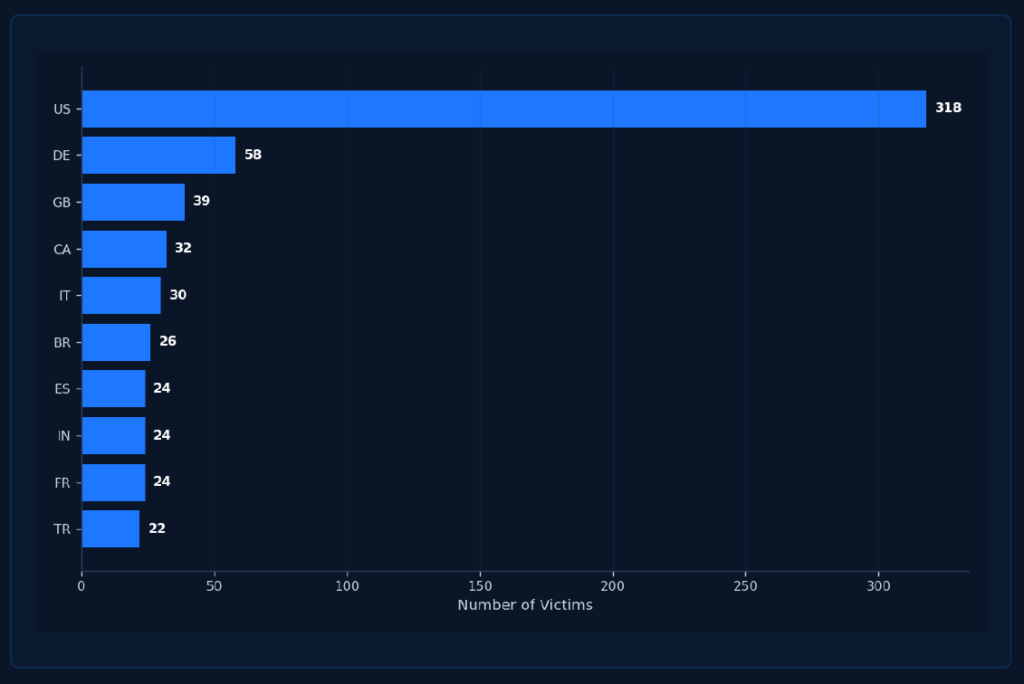
The geographical spread is equally important. Organizations in the United States, United Kingdom, Germany, Türkiye, Iraq, Malaysia, India, and other markets appeared across the observed landscape.
Ransomware is therefore not simply a problem for the largest enterprises or a handful of highly targeted countries. It is a global business risk.
Why External Visibility Matters
Many ransomware incidents begin long before the ransom note appears.
An exposed internet-facing service, leaked credential, vulnerable third-party system, forgotten asset, or compromised account may provide the initial foothold attackers need.
By the time encryption starts, defenders may already be dealing with an attacker who has spent considerable time inside the environment.
This is why effective Cyber Threat Intelligence should be connected with external exposure monitoring rather than treated as a separate source of information.
Organizations need to understand not only which ransomware groups are active, but also whether their own attack surface contains the conditions those groups can exploit.
The same principle extends beyond first-party infrastructure. Attackers increasingly look for access through suppliers, service providers, software dependencies, and other trusted relationships, making Supply Chain Monitoring another important part of ransomware risk management.